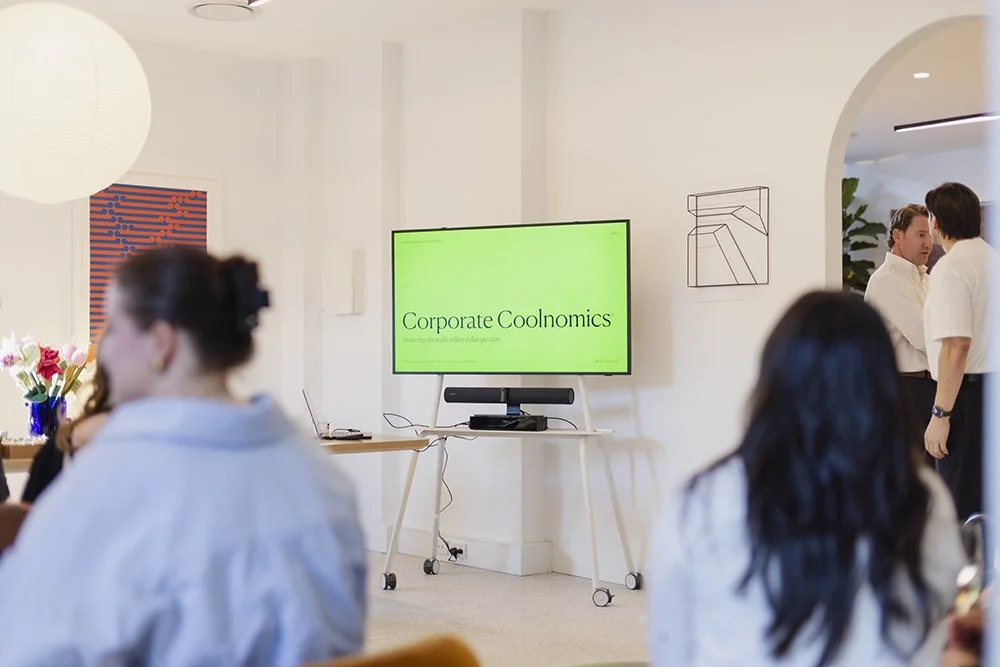
Corporate Coolnomics
What is the value of a great idea? And what happens when that idea is embedded in everything a business does?
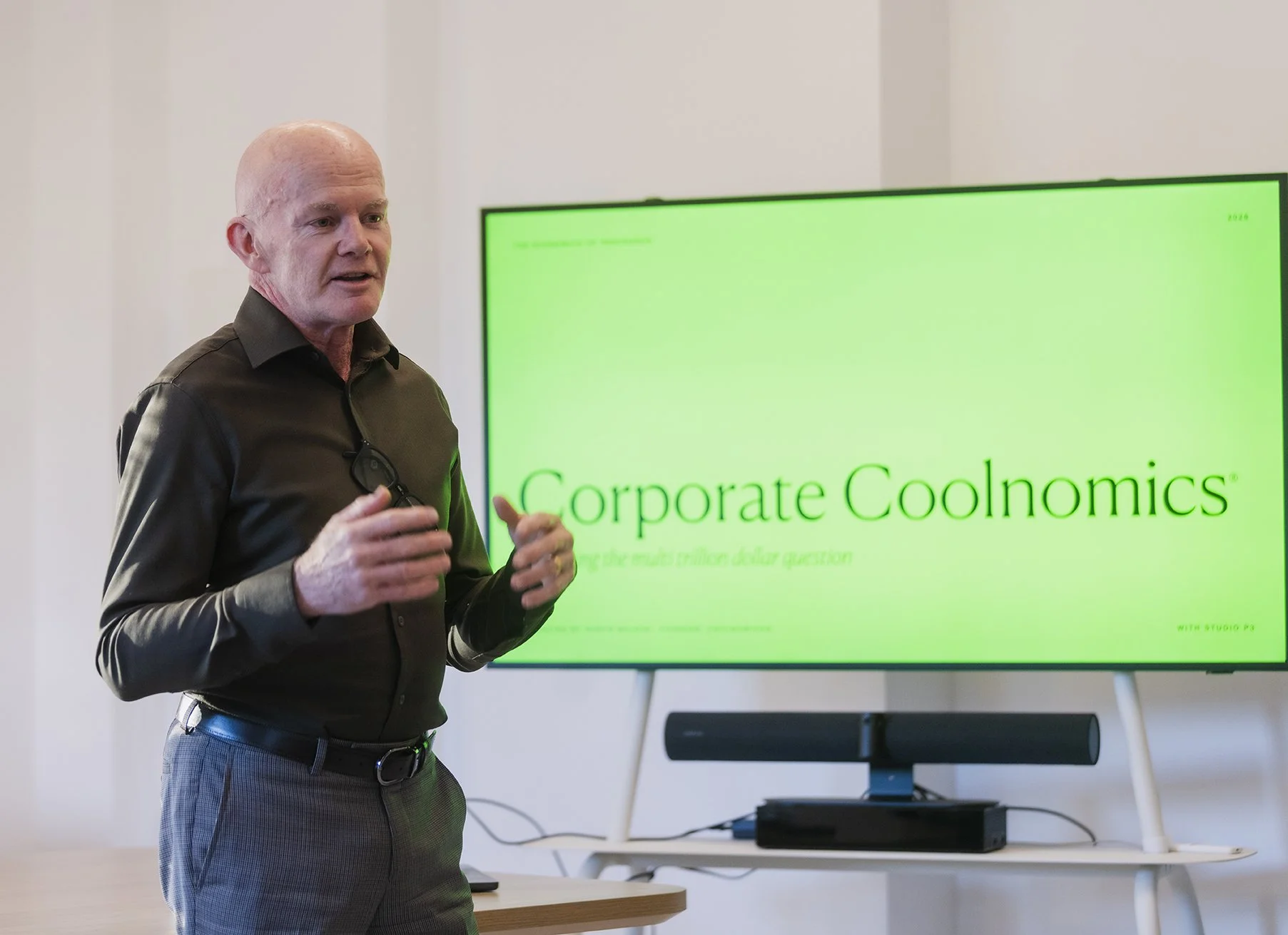
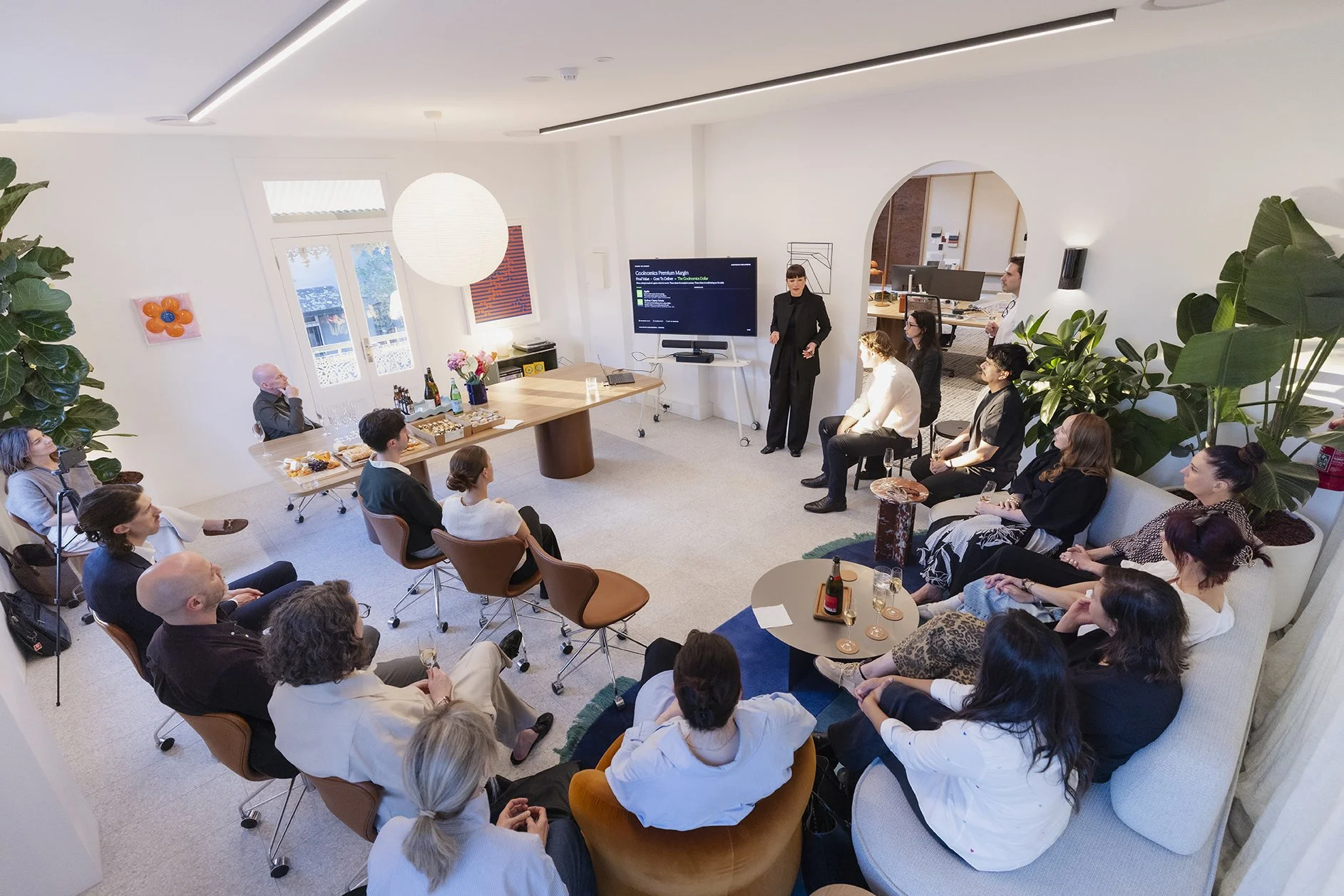
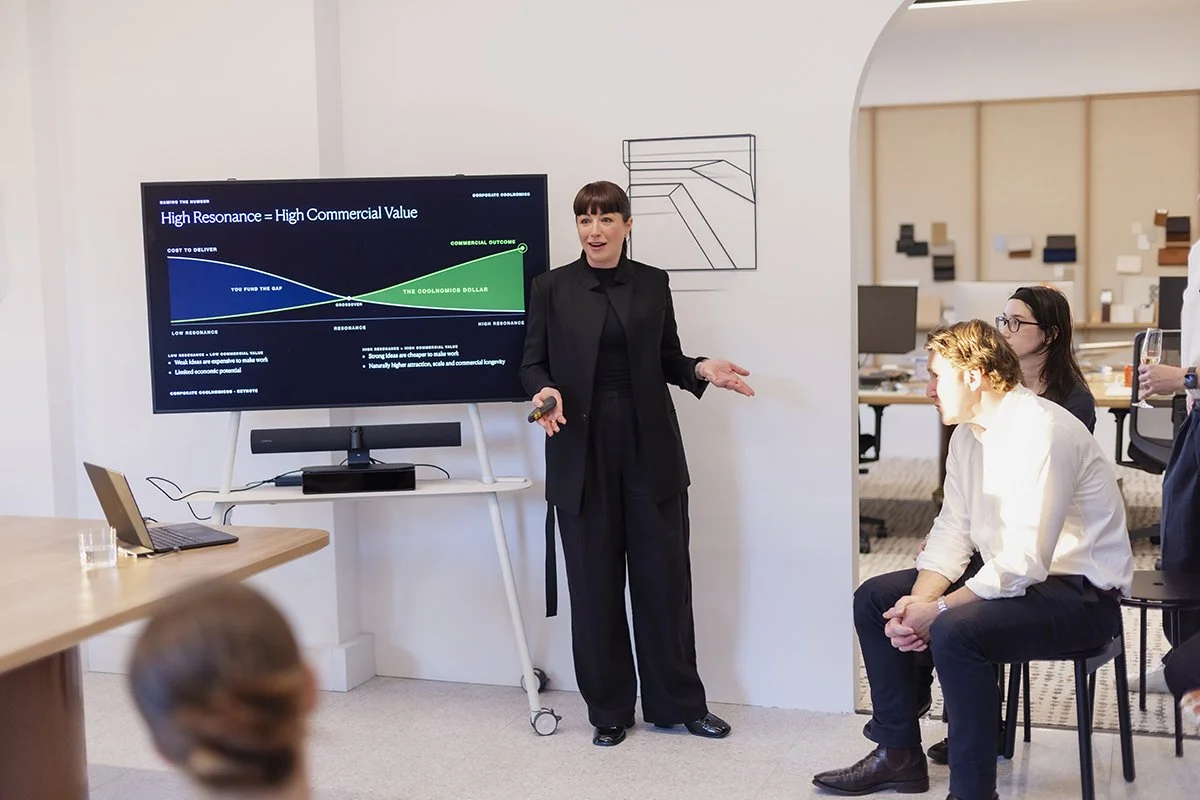
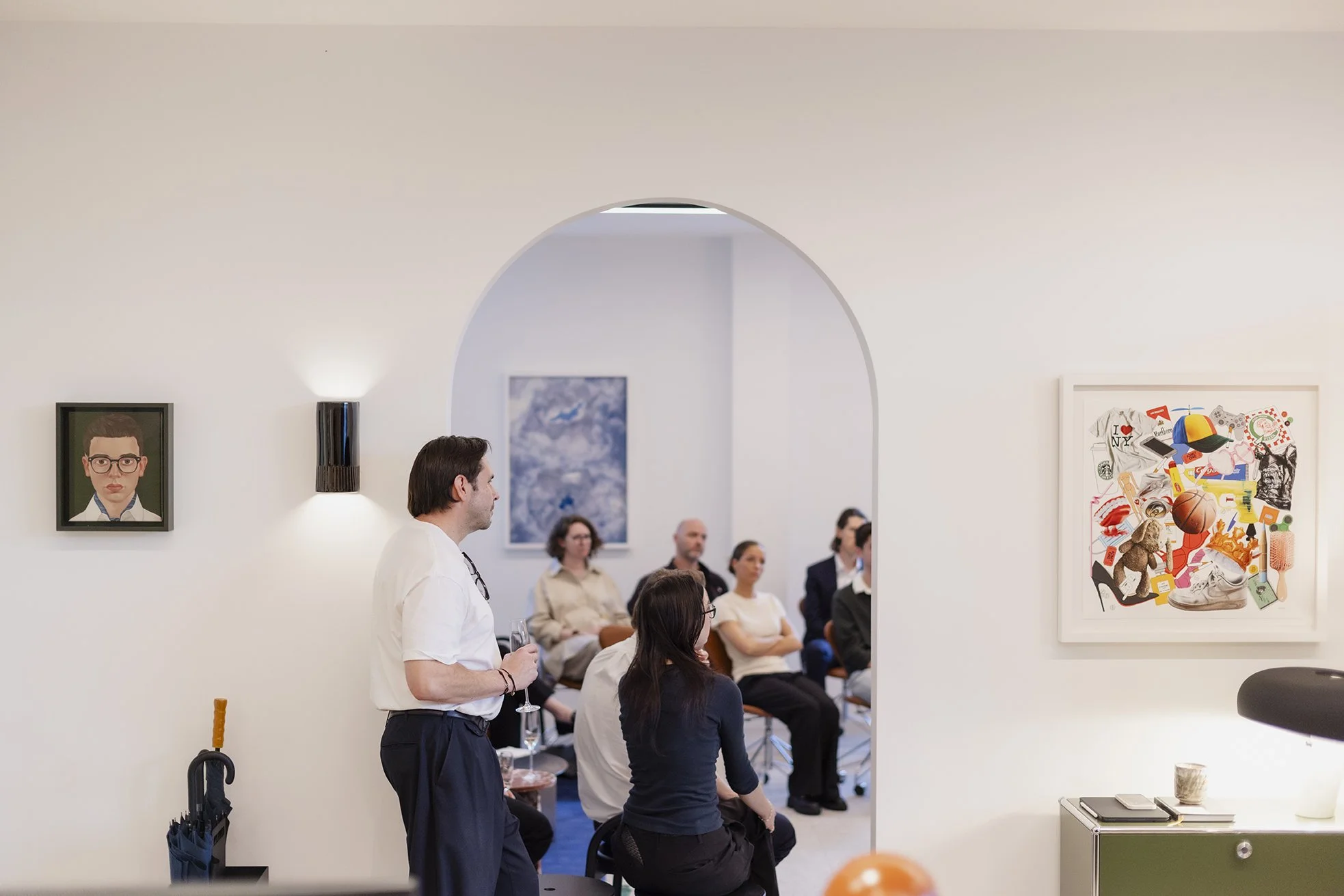
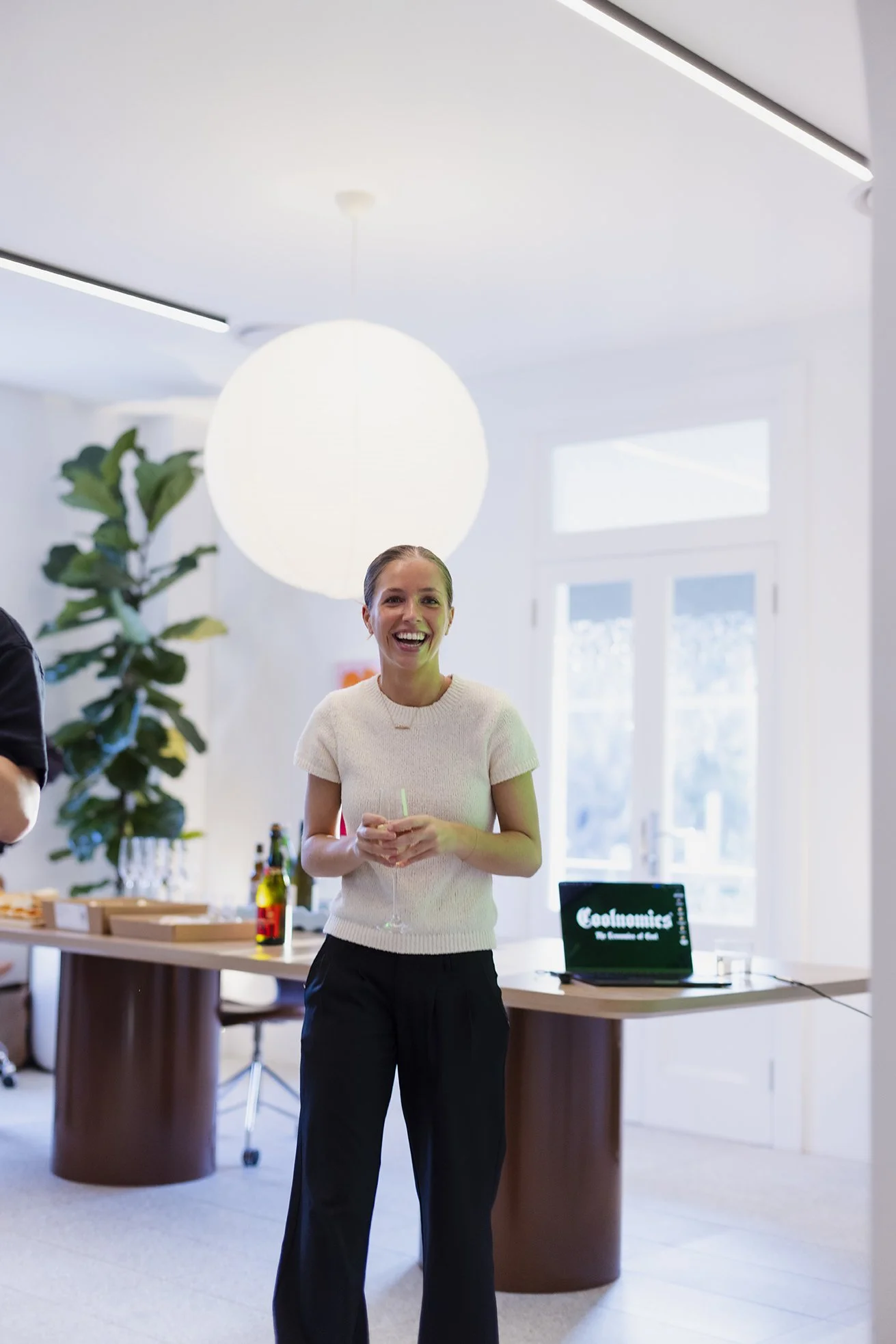
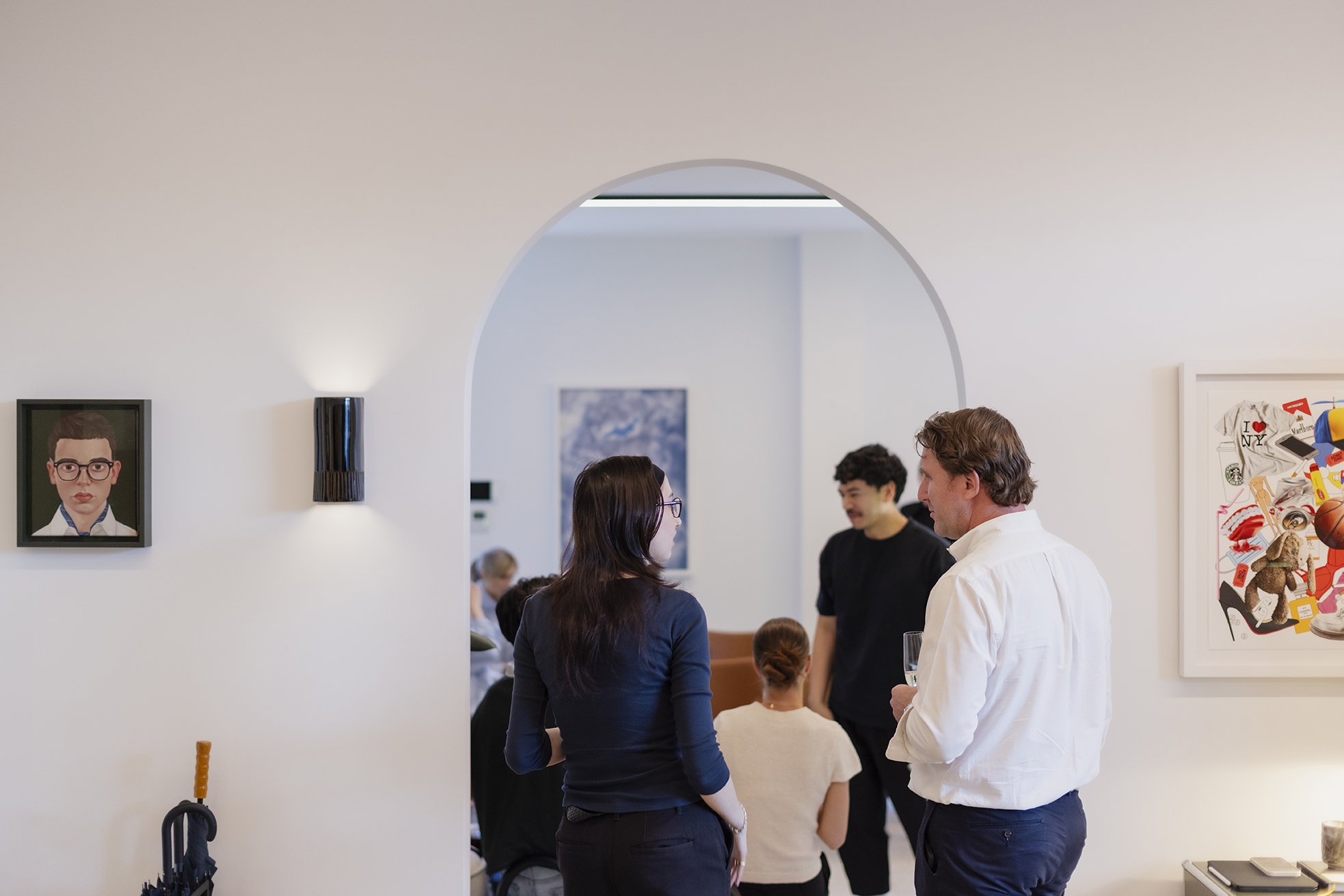
Last week, we hosted Robyn Wilson from Coolnomics to bring together an intimate group of leaders from banking, museums, hospitality, investment, engineering and design to explore the relationship between ideas, creativity, culture and commercial value.
The Sydney Opera House provided a compelling place to begin the conversation.
In 1957, the NSW Government could have commissioned a building for Bennelong Point that simply fulfilled its function. Instead, Jørn Utzon’s extraordinary vision created something that would become inseparable from the identity of Sydney and Australia, and a global symbol of creativity, ambition and cultural excellence.
Today, Deloitte values the Sydney Opera House at $11.4 billion as a social asset, while the tangible value of the building and land is estimated at $3 billion.
The $8.4 billion difference lies in something much harder to quantify: brand, reputation, cultural significance, intellectual property, emotional connection and the value people place on the idea itself.
In Coolnomics terms, that is the Coolnomics Dollar: the value created beyond the tangible asset.
It prompted an interesting question for everyone in the room: what is the value of the idea behind your own business?
Apple, Red Bull and the Sydney Opera House may occupy very different worlds, but each demonstrates what can happen when a clear idea is carried consistently through product, experience, communication and culture.
For us at Studio P3, it is a conversation with particular relevance not only to design but People, Places and Planet.
The spaces we create are physical assets, but their value is not purely physical. The best workplaces, hospitality environments and cultural spaces communicate something about the organisations behind them. They can express an idea, reinforce culture, influence behaviour, build connection and shape how people experience a business.
A workplace can simply accommodate people, or it can embody what an organisation believes in and where it is going.
Architecture can fulfill a brief, or it can create meaning well beyond its physical footprint.
That distinction is difficult to capture on a balance sheet, but as the Sydney Opera House so powerfully demonstrates, it can represent extraordinary value.
Thank you to everyone who joined us at Studio P3 and contributed to such a thoughtful discussion.